
Essential Quality Control Processes for a Reliable Drinkware Manufacturer
In the competitive drinkware industry, reliability stems from rigorous quality control (QC) processes. A trusted manufacturer like Weistiflask prioritizes these steps to deliver safe, durable, and high - performance drinkware. Let’s explore the key QC processes that define a reliable drinkware producer.
1. Raw Material Inspection: The Foundation of Quality
Before production begins, raw materials undergo strict scrutiny:
- Material Authenticity: For stainless steel drinkware (a specialty of Weistiflask), suppliers provide certificates of analysis to confirm grade (e.g., 304 or 316 stainless steel) and ensure it’s food - safe, free from harmful contaminants.
- Component Testing: Plastic lids, silicone seals, and other parts are checked for BPA - free compliance, durability, and compatibility with food contact.
- Batch Consistency: Samples from each material batch are tested for uniformity—ensuring color, texture, and chemical composition meet standards to avoid production defects.
2. Production Process Monitoring: Preventing Defects in Real - Time
During manufacturing, QC happens at every stage:
- Automated Detection: Machines monitor parameters like wall thickness, shape accuracy, and surface finish. For example, Weistiflask uses automated systems to check for dents, uneven welding, or misaligned components in vacuum - insulated flasks.
- Manual Inspections: Skilled inspectors conduct regular spot - checks to identify issues like scratches, improper assembly, or coating imperfections. This human - machine collaboration catches defects early.
- Process Standardization: Standard operating procedures (SOPs) ensure consistency—from how welds are formed to how insulation is applied.
3. Finished Product Testing: Ensuring Performance & Safety
Every drinkware unit undergoes final testing:
- Leak & Seal Testing: Flasks and tumblers are filled with water and inverted (or subjected to pressure) to ensure no leakage—critical for on - the - go use.
- Insulation Performance: For insulated drinkware, temperature retention is tested (e.g., hot liquids stay above 150°F for 6+ hours, cold below 50°F for 12+ hours, per Weistiflask’s standards).
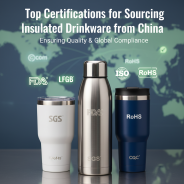
- Safety & Compliance Testing: Products are tested for heavy metals (e.g., lead, cadmium), phthalates, and other toxins to meet FDA, LFGB, or other regional food - contact regulations.
- Durability Testing: Drop tests, scratch resistance, and cycle testing (opening/closing lids repeatedly) ensure long - term use.
4. Compliance with International Standards
A reliable manufacturer adheres to global and regional standards:
- Certifications: Weistiflask pursues certifications like FDA (US), LFGB (Europe), and ISO 9001 (quality management) to validate compliance.
- Ethical & Environmental Standards: Some manufacturers also follow ethical labor practices and eco - friendly production (e.g., using recycled materials or low - waste processes).
5. Customer Feedback & Continuous Improvement
Post - sale, QC extends to customer insights:
- Feedback Analysis: Weistiflask analyzes reviews, warranty claims, and customer surveys to identify issues (e.g., a lid design that’s hard to clean).
- Iterative Improvement: Feedback drives product updates—like refining a flask’s mouth opening for easier sipping or adding a non - slip base.
Conclusion: Quality as a Culture
For Weistiflask, quality control isn’t just a process—it’s a culture. From raw materials to customer hands, every step is designed to exceed expectations. By implementing these QC processes, a drinkware manufacturer earns trust, delivers consistency, and stands out in a crowded market.
When choosing drinkware, look for brands that transparently share their QC practices—your safety, satisfaction, and the product’s longevity depend on it.



 English
 German
 French
 Russian
 Spanish
 Japanese
 Korean
 Portuguese
 Ukrainian
 Arabic
 Italian


